Best Emotional Support Animals for California Apartments — A Plain-English Lineup
Finding the right emotional support animal for your California apartment isn't just about which furry friend makes you feel better. You need an animal that fits your space, respects your neighbors, and works within housing rules — while still providing genuine therapeutic benefits.
California's housing market is tough enough without adding ESA complications. Whether you're in a studio in San Francisco or a one-bedroom in Sacramento, your choice of emotional support animal can make or break your rental experience. The good news? You have more options than you might think.
This guide covers the most apartment-friendly ESA options for California renters, from traditional companions to surprising alternatives. We'll break down space requirements, noise considerations, and practical tips for each type.
Important Legal Note: Under California law (AB-468), you need a 30-day established therapeutic relationship with a California-licensed mental health professional before receiving an ESA letter. This article provides general information only — not medical, mental health, or legal advice. Consult a California-licensed clinician to determine if an ESA is therapeutically appropriate for you, and speak with a California-licensed attorney for specific housing disputes.
1. Small to Medium Dogs — The Classic Choice Done Right
Dogs remain the most popular emotional support animals, and for good reason. They're naturally attuned to human emotions, provide consistent companionship, and many breeds adapt well to apartment living. The key is choosing the right size and temperament for California's dense housing market.
Breeds like Cavalier King Charles Spaniels, French Bulldogs, and Pugs offer the emotional benefits of larger dogs without the space demands. They're typically quiet, gentle with neighbors, and don't require massive exercise yards. Even slightly larger breeds like Golden Retrievers can work in spacious California apartments, especially if you're committed to daily walks and mental stimulation.
The biggest apartment challenge with dogs isn't size — it's noise. California's thin apartment walls mean barking becomes everyone's problem fast. Look for naturally calm breeds and invest in proper training early. A well-behaved 50-pound dog often causes fewer issues than an anxious 15-pound yapper.
Practical takeaway: Research breed-specific traits before choosing. A tired dog is a quiet dog — plan for adequate daily exercise regardless of your apartment size. For detailed breed recommendations, check out our guide on ESA dogs for California apartments.
2. Cats — The Low-Maintenance Apartment Champions
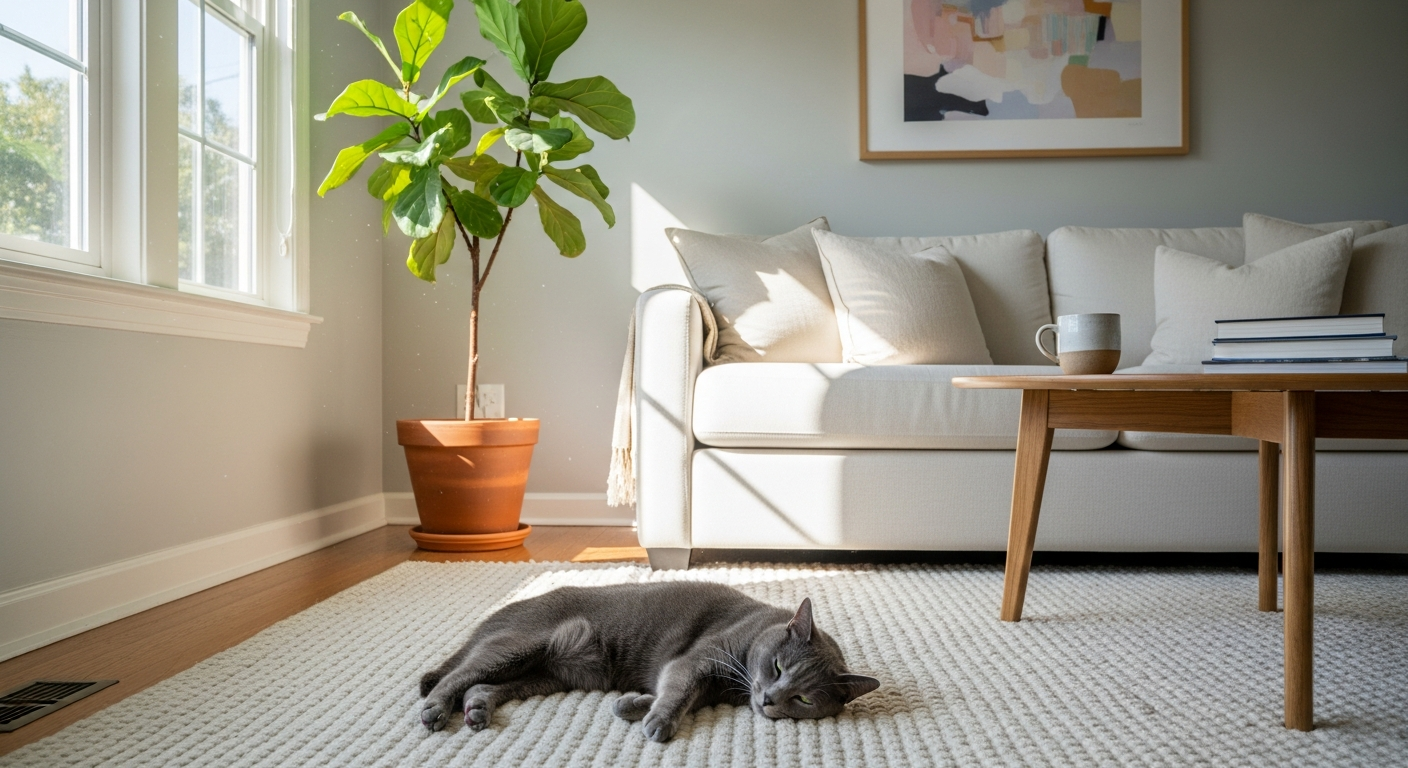
Cats might be the perfect California apartment ESA. They're naturally quiet, don't require walks, and most adapt beautifully to small spaces. Unlike dogs, cats won't disturb neighbors with barking or need emergency bathroom breaks during your commute home.
Indoor cats provide constant companionship without the scheduling demands of dogs. They're content with vertical space — cat trees and shelving can create an enriching environment even in studio apartments. Many cats actually prefer smaller territories they can fully control and patrol.
The emotional benefits are real too. That familiar purr provides measurable stress relief, and cats often sense when their owners need extra comfort. They're independent enough not to add pressure to your daily routine, but affectionate enough to provide genuine therapeutic value.
Practical takeaway: Consider adopting adult cats rather than kittens — their personalities are established, and they're often calmer in apartments. Provide vertical enrichment and consistent litter box maintenance to keep both you and your neighbors happy. Learn more about cats as quiet ESA companions in California.
3. Rabbits — The Surprising Apartment Alternative
Rabbits are gaining popularity as emotional support animals, especially in California's space-conscious rental market. They're quieter than most dogs, more interactive than hamsters, and can be litter trained like cats. Many California apartment dwellers find rabbits hit the sweet spot between companionship and practicality.
House rabbits can live 8-12 years and develop genuine bonds with their owners. They're naturally social animals that often enjoy gentle petting and can even learn simple tricks. Unlike cats or dogs, rabbits don't trigger allergies in many people, which can be helpful if you're concerned about future housing situations.
The main considerations are space for exercise (they need room to hop) and rabbit-proofing your apartment. Rabbits chew everything, so electrical cords and furniture legs need protection. They also require specialized veterinary care, which can be harder to find than standard cat and dog vets.
Practical takeaway: Research rabbit-savvy veterinarians in your area before adopting. Create a rabbit-safe exercise area and budget for quality hay and pellets. Our detailed guide covers rabbits as ESAs in California with specific care requirements.
4. Birds — Intelligent Companions for Social Connection
Birds offer unique emotional support benefits that work well in California apartments. Species like cockatiels, conures, and budgerigars are highly social and can provide interactive companionship. Many bird owners find the daily routine of care and interaction therapeutic in itself.
Birds take up minimal floor space but need adequate cage room and daily out-of-cage time. They're often more engaging than people expect — many species learn words, respond to their names, and show distinct personalities. For people who struggle with depression or isolation, birds can provide consistent social interaction and routine.
The challenges are noise (some species are loud) and mess (feathers, seed hulls). Research species carefully — a screaming cockatoo won't work in most California apartment buildings, but a pair of quiet budgies might be perfect. Also consider lifespan — some parrots live 50+ years.
Practical takeaway: Visit local bird rescues to interact with different species before choosing. Budget for quality diet, veterinary care, and adequate cage space. Start with quieter species if noise is a concern in your building.
5. Guinea Pigs — Social and Manageable
Guinea pigs work well as apartment ESAs because they're social, relatively quiet, and small enough for most California rental spaces. They're more interactive than hamsters but less demanding than rabbits. Their gentle nature and soft sounds (adorable squeaks when they hear the fridge open) make them good neighbors.
Guinea pigs do best in pairs, which actually increases their therapeutic value — watching their social interactions can be calming and entertaining. They're active during the day when you're home, unlike nocturnal hamsters that run on wheels all night. Their 5-8 year lifespan is manageable but long enough to form meaningful bonds.
Space requirements are moderate — a large cage plus daily floor time works in most apartments. They need fresh vegetables daily and specialized veterinary care, but their needs are simpler than rabbits. The main downside is they can be messy with food and bedding.
Practical takeaway: Plan for two guinea pigs rather than one — they're social animals that do better in pairs. Research exotic pet veterinarians in your area and budget for quality hay and fresh vegetables.
6. Fish — Calming and Ultra-Low Maintenance
Fish might seem like an unconventional ESA choice, but they offer genuine therapeutic benefits with minimal apartment impact. Watching fish swim has proven stress-reducing effects, and maintaining an aquarium provides routine and responsibility without major time commitments.
Freshwater community tanks work well for beginners — species like tetras, guppies, and corydoras are hardy and peaceful. The gentle filter sounds and soft lighting create a calming atmosphere in any apartment. There's no noise, no pet odors, and no neighbor complaints to worry about.
The therapeutic value comes from the meditative quality of watching fish and the sense of nurturing living creatures. Many people find aquarium maintenance relaxing rather than burdensome. It's also one of the most affordable ESA options long-term.
Practical takeaway: Start with a simple 20-gallon freshwater community tank. Research the nitrogen cycle before adding fish and maintain consistent water parameters. Consider live plants for additional visual appeal and water quality benefits.
7. Ferrets — Playful Companions for Active Owners
Ferrets can make excellent apartment ESAs for the right owners. They're social, playful, and affectionate animals that form strong bonds with their humans. Their playful antics provide entertainment and emotional lift, while their social nature offers genuine companionship.
Ferrets sleep 18-20 hours per day, making them surprisingly compatible with busy California lifestyles. When awake, they're energetic and interactive — many owners describe them as "cat software running on dog hardware." They can be litter trained and don't require outdoor exercise.
The challenges include their need for ferret-proofing (they're escape artists), specialized diet requirements, and finding ferret-knowledgeable veterinary care. They're also illegal in some California cities, so check local ordinances first. Their 7-10 year lifespan allows for meaningful long-term relationships.
Practical takeaway: Verify ferrets are legal in your specific California city before considering adoption. Research ferret-proofing techniques and locate exotic veterinary care. Consider adopting pairs — ferrets are social animals.
8. Reptiles — Unique and Quietly Therapeutic
Reptiles offer a different kind of emotional support that appeals to many people. Species like bearded dragons, leopard geckos, and ball pythons can provide calming companionship with minimal noise and space requirements. Their care routines offer structure and responsibility.
Bearded dragons are particularly interactive reptiles — many enjoy gentle handling and seem to recognize their owners. Watching reptiles can be meditative, and their unique behaviors provide interesting distractions from daily stressors. They're also long-lived, with many species living 15-20+ years.
The main considerations are proper heating and lighting requirements (which increase electricity costs), finding reptile-experienced veterinary care, and initial setup costs for appropriate habitats. Some people find reptiles less emotionally engaging than mammals, so consider your personal preferences carefully.
Practical takeaway: Research specific care requirements thoroughly — reptile needs are very species-specific. Budget for proper heating, UVB lighting, and thermostats. Start with beginner-friendly species like leopard geckos or bearded dragons.
California-Specific Considerations for Apartment ESAs
California's unique rental market creates specific challenges for ESA owners. The state's housing shortage means landlords can be pickier, even though they must provide reasonable accommodations under the Fair Housing Act. Understanding your rights and responsibilities helps ensure smooth housing arrangements.
California law requires a legitimate therapeutic relationship with a licensed mental health professional before issuing an ESA letter. This means you need a 30-day established relationship with a California-licensed clinician — not an instant online evaluation. The extra time investment protects you legally and ensures your ESA letter meets federal standards.
When apartment hunting, focus on pet-friendly buildings when possible. Even though ESAs aren't pets legally, pet-friendly landlords are often more understanding of animal accommodations. Have your ESA letter ready before applying, and be prepared to discuss your animal's specific behaviors and care needs.
Practical takeaway: Research California ESA housing rights before apartment hunting. Work with a California-licensed mental health professional to ensure your letter meets state requirements. Consider your animal choice carefully — the right ESA makes housing conversations easier.
Training and Behavior Considerations
Regardless of which animal you choose, good behavior is essential for apartment living. Even legally protected ESAs can face housing challenges if they disturb neighbors or cause property damage. Investing in proper training and behavior management protects both your housing situation and your therapeutic relationship.
For dogs, basic obedience training is non-negotiable. Focus on quiet commands, proper greeting behaviors, and house training consistency. Many California cities offer low-cost training classes through animal services departments. Even cats benefit from enrichment and behavior management — scratching posts, puzzle feeders, and vertical space prevent destructive behaviors.
Small animals like rabbits and guinea pigs need proper housing setups to prevent escape or damage. Birds require consistent routines to minimize stress calling. The key is understanding your specific animal's needs and addressing them proactively rather than reactively.
Practical takeaway: Invest in species-appropriate training and enrichment early. Learn about ESA training basics for California apartments. Address behavior issues immediately — prevention is easier than correction.
Cost Considerations for California ESA Ownership
California's high cost of living extends to pet ownership. Veterinary care, quality food, and emergency medical expenses can strain budgets quickly. Factor these costs into your ESA choice — a bird's specialized diet might cost more monthly than expected, while fish have minimal ongoing expenses.
Veterinary care varies significantly by animal type. Dog and cat care is widely available with competitive pricing, while exotic animal veterinarians charge premium rates and may require travel. Emergency care costs can be substantial — consider pet insurance or emergency savings for larger animals.
Initial setup costs also vary dramatically. A fish tank setup might cost $200-500 initially, while a proper reptile habitat can cost $500-1500. Factor in ongoing costs like electricity for heating/lighting, specialized foods, and regular veterinary checkups.
Practical takeaway: Budget for both initial setup and ongoing expenses before choosing your ESA. Research veterinary costs in your area and consider pet insurance for higher-value animals. Factor electricity costs for heated/lighted habitats.
Making Your Final Choice
The best ESA for your California apartment depends on your specific needs, living situation, and personal preferences. Consider your daily schedule, noise tolerance, space constraints, and long-term commitment ability. The most therapeutic animal is one you can properly care for without stress.
Start by honestly assessing your living situation. Studio apartment dwellers might prefer cats or small animals, while those with larger spaces can consider medium dogs. Factor in your work schedule — some animals need more daily interaction than others. Consider your experience level too — first-time animal owners should start with less demanding species.
Remember that your ESA choice affects your housing options. While landlords cannot discriminate based on ESA species legally, practical considerations matter. A well-behaved cat often faces fewer housing challenges than an exotic animal, even with proper documentation.
Practical takeaway: Take time to research thoroughly before deciding. Visit local shelters or rescues to interact with potential ESA species. Consider fostering first if you're uncertain about long-term commitment.
Disclaimer: This article provides general information about emotional support animals and housing considerations. It does not constitute medical, mental health, or legal advice. Under California law (AB-468), you must have an established 30-day therapeutic relationship with a California-licensed mental health professional before receiving an ESA letter. Consult with a California-licensed clinician to determine if an emotional support animal is therapeutically appropriate for your specific situation. For housing disputes or legal questions, consult a California-licensed attorney familiar with Fair Housing Act provisions. Individual circumstances vary, and professional guidance is essential for both therapeutic and legal compliance.
Ready to start your California ESA letter?
Licensed California clinician review. Compliant with state law.
Start My California ESA Letter